Breast Cancer Awareness
Breast Cancer Awareness Month.
💗 “Boob Talk: Why Breast Health Deserves a Spot on Your Calendar This Month (and Every Month)”
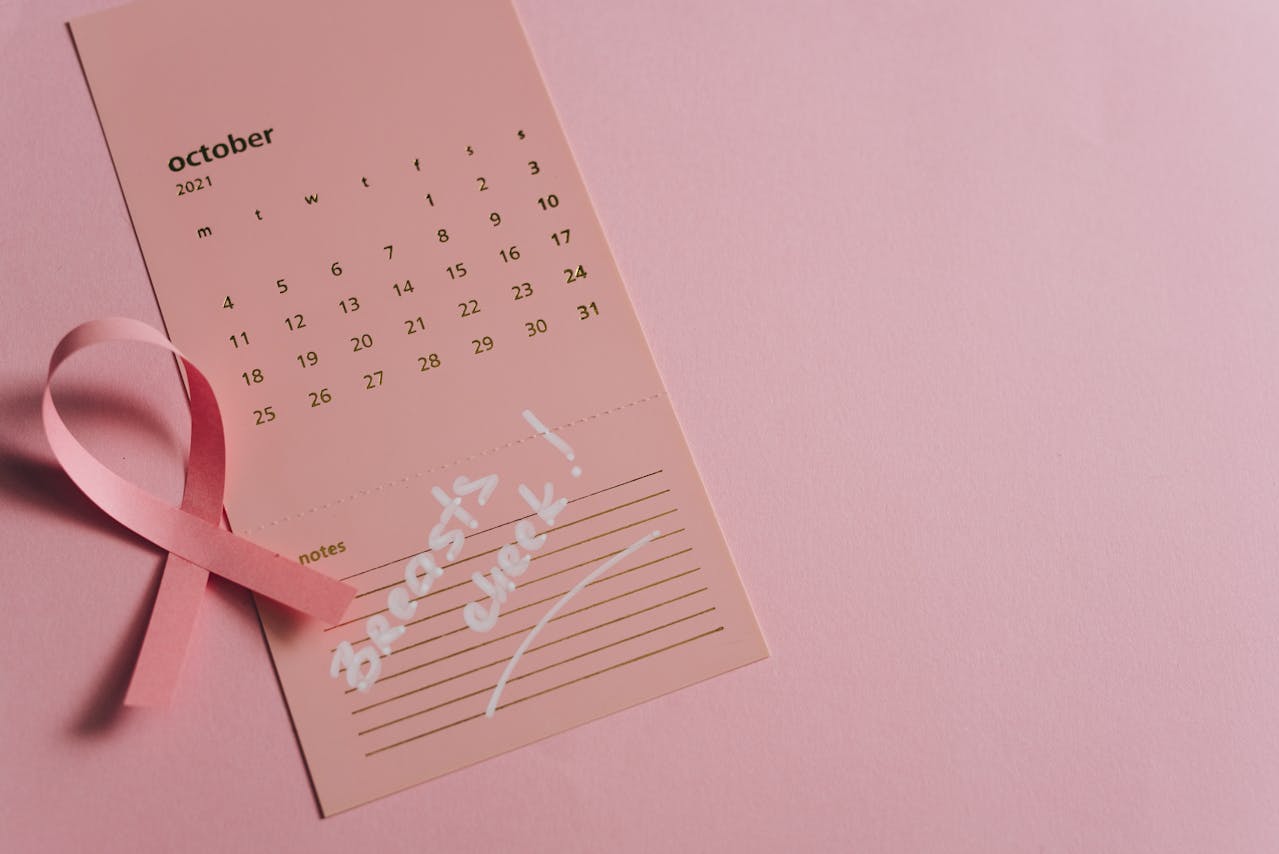
October is here — which means pumpkin spice everything, cozy sweaters, and Breast Cancer Awareness Month. While pink ribbons and fundraising walks take the spotlight, there’s something even more personal (and powerful) you can do right now — check in with your own breasts.
Yes, we’re talking about a self-breast exam.
And no, it’s not weird, awkward, or something to put off for “later.” It’s an act of self-care, self-awareness, and self-love — and it just might save your life.
So grab your favorite tea (or coffee, no judgment), and let’s talk about why those two “girls” deserve your attention this month — and all year long.
🎀 Why Breast Cancer Awareness Month Matters
Breast cancer is the most commonly diagnosed cancer in women worldwide.
In the U.S. alone, about 1 in 8 women will develop invasive breast cancer over her lifetime. That’s not to scare you — it’s to remind us all how important early detection is.
The good news? When caught early, breast cancer is highly treatable. In fact, survival rates skyrocket when diagnosis happens before the cancer spreads.
That’s why awareness months like this one aren’t just about wearing pink — they’re about action. Because being aware is great, but being proactive is even better.
💞 Let’s Talk About “The Girls” — Self-Exams Made Simple
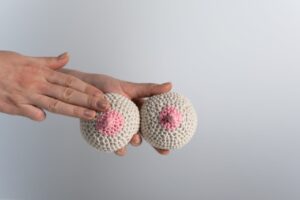
Here’s the thing: You know your body better than anyone.
A monthly self-breast exam helps you stay in tune with what’s normal — so if something ever isn’t normal, you’ll catch it early.
Here’s how to do it right (and no, you don’t need to light candles or make it awkward):
1. Get in position
You can do this in the shower, in front of a mirror, or lying down. Choose what feels most comfortable. (Bonus: multi-tasking in the shower makes it less weird.)
2. Look first
Stand in front of a mirror with your arms at your sides. Look for:
Any changes in size, shape, or symmetry
Dimpling or puckering of the skin
Changes in the nipples (like inversion, rash, or discharge)
Redness, swelling, or irritation
Raise your arms overhead and look again. Sometimes changes are easier to spot in different positions.
3. Feel for changes
Use the pads of your three middle fingers and move them in small circular motions across your entire breast, including up to the collarbone and into the armpit area (yes, that counts — lymph nodes live there!).
Use three pressure levels:
Light: Just the surface
Medium: A little deeper
Firm: Down to the chest wall
Move in a pattern — circles, lines, or wedges — just make sure you cover everything.
If you feel something unusual — like a lump, thickening, or pain — don’t panic. Most lumps are benign (non-cancerous). But still, make that appointment with your doctor to be sure.
4. Keep it consistent
Aim for once a month, ideally a few days after your period ends when breasts are least tender.
If you’re postmenopausal, pick a date (say, the first of each month) and make it a ritual — like paying bills, but way more important.
🌸 Mammograms: Your Superpower in Early Detection
Now, let’s talk about the other essential piece of the puzzle — mammograms.
No one loves getting one (the machine isn’t exactly spa-level comfort), but they’re one of the most effective tools we have for catching breast cancer early — even before you can feel it.
When should you start?
Ages 40–44: You can choose to start annual screenings if you wish.
Ages 45–54: Get a mammogram every year.
Ages 55 and up: You can switch to every two years, or continue yearly.
If you have a family history of breast cancer, talk to your doctor — you may need to start earlier or have additional screening like ultrasounds or MRIs.
Tips for your mammogram appointment:
Don’t wear deodorant, lotion, or powder on your chest or underarms that day — they can show up on the X-ray.
Schedule it for when your breasts are least tender (usually a week after your period).
Bring previous mammogram results for comparison.
And remember — if your results come back with a “call back” for more images, don’t panic. About 10% of mammograms require follow-up, and most end up being fine.
💪 Holistic Breast Health: More Than Just Exams
While screenings and self-checks are crucial, breast health goes far beyond what happens at the doctor’s office.
Your lifestyle plays a powerful role in prevention, too.
Here are some simple ways to support healthy breasts naturally:
1. Move your body
Exercise helps regulate hormones, reduce inflammation, and maintain a healthy weight — all linked to lower breast cancer risk.
Even a daily walk or a few yoga flows can make a difference.
2. Eat your colors
Load up on antioxidant-rich foods like berries, leafy greens, cruciferous veggies (broccoli, kale, Brussels sprouts), and healthy fats from avocados, nuts, and olive oil.
3. Limit alcohol
Research shows that even one drink a day can slightly increase breast cancer risk. Try mocktails, sparkling water with fruit, or herbal teas as alternatives.
4. Manage stress
Chronic stress affects everything — hormones, immunity, and inflammation.
Try meditation, deep breathing, or restorative yoga to help your body and mind find balance.
5. Love your body
This one might sound cheesy, but how you feel about your body matters. Practice gratitude for what your body does — not just how it looks.
Your breasts are part of you — and they deserve care, compassion, and attention, just like any other part.
💗 A Gentle Reminder: You’re Not Alone
If you or someone you love has faced breast cancer, this month can stir up emotions.
Whether it’s a personal journey or supporting someone through theirs, community makes all the difference.
Reach out. Share stories. Donate if you can. Or simply remind a friend to schedule her mammogram.
Sometimes a simple message — “Hey, when’s your last mammogram?” — can be an act of love that saves a life.
💕 Let’s Wrap It Up
Breast health isn’t just a once-a-year thing — it’s an ongoing relationship with your body.
So this October, wear pink proudly, schedule that mammogram, do your self-exam, and encourage your friends to do the same.
Because awareness is wonderful — but action?
That’s what truly saves lives.
Now go give those girls some love. 💖