You are currently viewing Protein for Vegans & Meat Eaters:
Protein sources

Protein for Vegans & Meat Eaters:

Protein for Vegans & Meat Eaters

Protein for Vegans & Meat Eaters: Why It Matters More Than You Think (Especially After 40)

Protein often gets framed as a “fitness” nutrient, but in reality, it’s foundational for every system in the body—especially as we age.

Whether you’re vegan, vegetarian, or enjoy animal protein, understanding why protein matters, how it supports your body, and how much you actually need can be a game changer for energy, strength, and overall well-being.

Why Protein Is So Important

Protein is essential because it acts as the fundamental building blocks for the body’s tissues.  This includes the muscles, bones, hair and skin also repairing your cells and enabling growth within.  Protein is critical for enzyme production, immune system support, hormone regulation, and transporting oxygen in the blood. 
 
Protein provides structure and repair including rebuilding muscle after exercise or injury.  It helps the immune system by creating antibodies to help the body fight off infections and any illnesses.  Higher protein intake helps control hunger and reduce the appetite.  It is also critical for proper growth in children, teens and pregnant women. 

  •  

Protein & Midlife: What Changes?

As estrogen levels shift, women become more prone to muscle loss and insulin resistance. Adequate protein helps:• Maintain lean muscle
• Support metabolism
• Reduce blood sugar spikes
• Improve satiety and appetite regulation

In short: protein helps your body feel more stable and resilient.

Women over 50 exercise
How Much Protein Do You Need?

A general guideline:
0.7–1 gram of protein per pound of goal body weight daily

For most women, this means:
• Sedentary: ~80–90g/day
• Active: ~90–120g/day

Aim to spread protein across meals rather than loading it all at dinner.

Protein Sources for Meat Eaters

Protein Sources for Meat Eaters

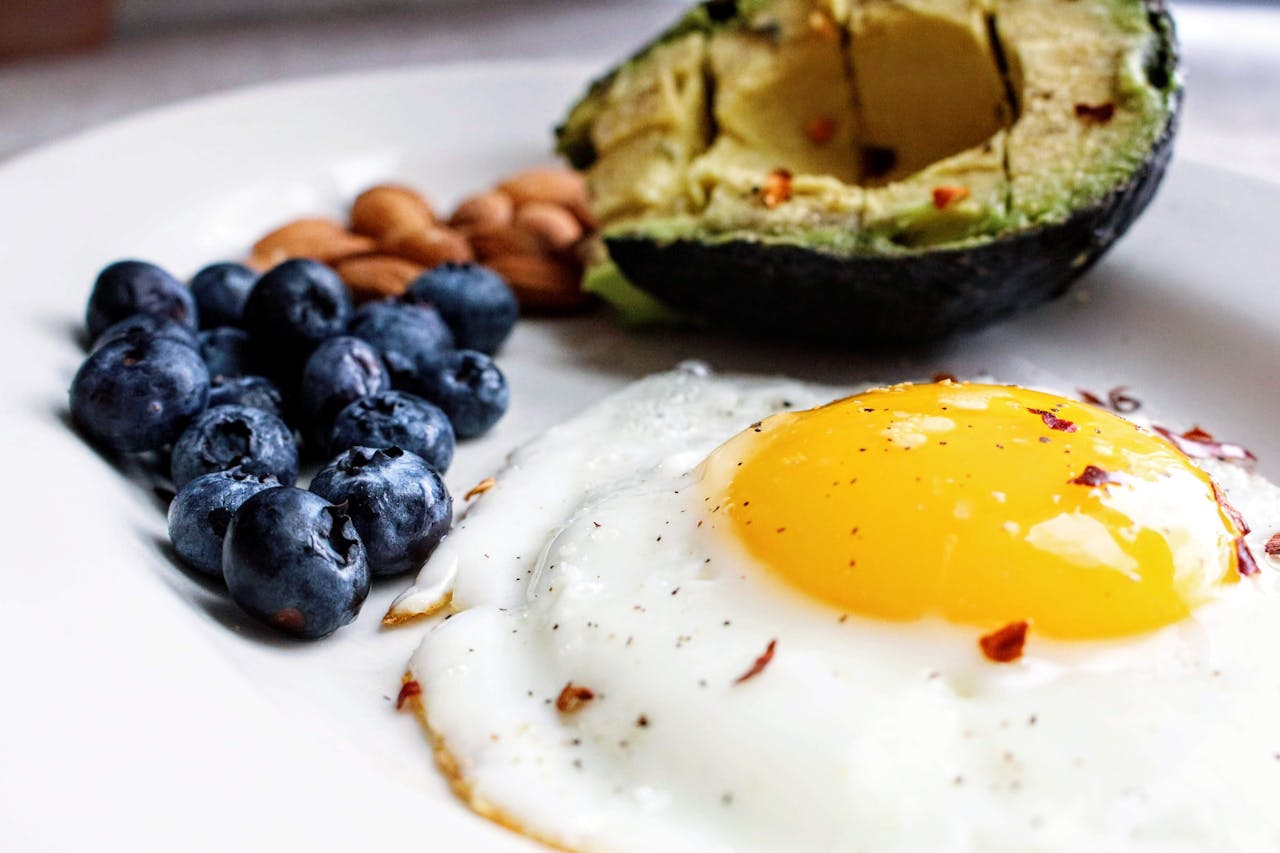
• Eggs
• Chicken & turkey
• Fish & seafood
• Grass-fed beef
• Greek yogurt & cottage cheese

Protein Sources for Vegans & Plant-Based Eaters

Protein Sources for Vegans & Plant-Based Eaters

• Lentils & beans
• Tofu & tempeh
• Edamame
• Quinoa
• Hemp, chia & flax seeds
• Plant-based protein powders

💡 Plant-based eaters may need slightly higher intake and more variety to meet amino acid needs.

Vegan protein
Protein
Easy Ways to Add More Protein

Easy Ways to Add More Protein

• Add protein powder to smoothies
• Include eggs or tofu at breakfast
• Add beans or lentils to salads
• Snack on Greek yogurt, hummus, or nuts
• Build meals around a protein base first

Final Thoughts

Protein doesn’t have to be complicated—but it does need to be intentional, especially in midlife. Small, consistent changes can lead to better energy, strength, and confidence in your body again.

Leave a Reply